Introduction: What Happens When an Unexpected Expense Comes Along?
You get a call at 11 pm telling you that your parent has been admitted to the hospital and you need to pay a deposit. Or your car breaks down on the highway, and the garage is charging you 60,000. Or you get a layoff email, and your salary is now uncertain for next month.
Medical bills, sudden repairs, breakdowns, and income disruptions generally do not occur with notice. However, having a contingency plan can help to reduce the stress or impact of these situations. Most people will use their savings or borrow money. This article explains how to use both.
Emergency Savings: Your First Line of Financial Protection
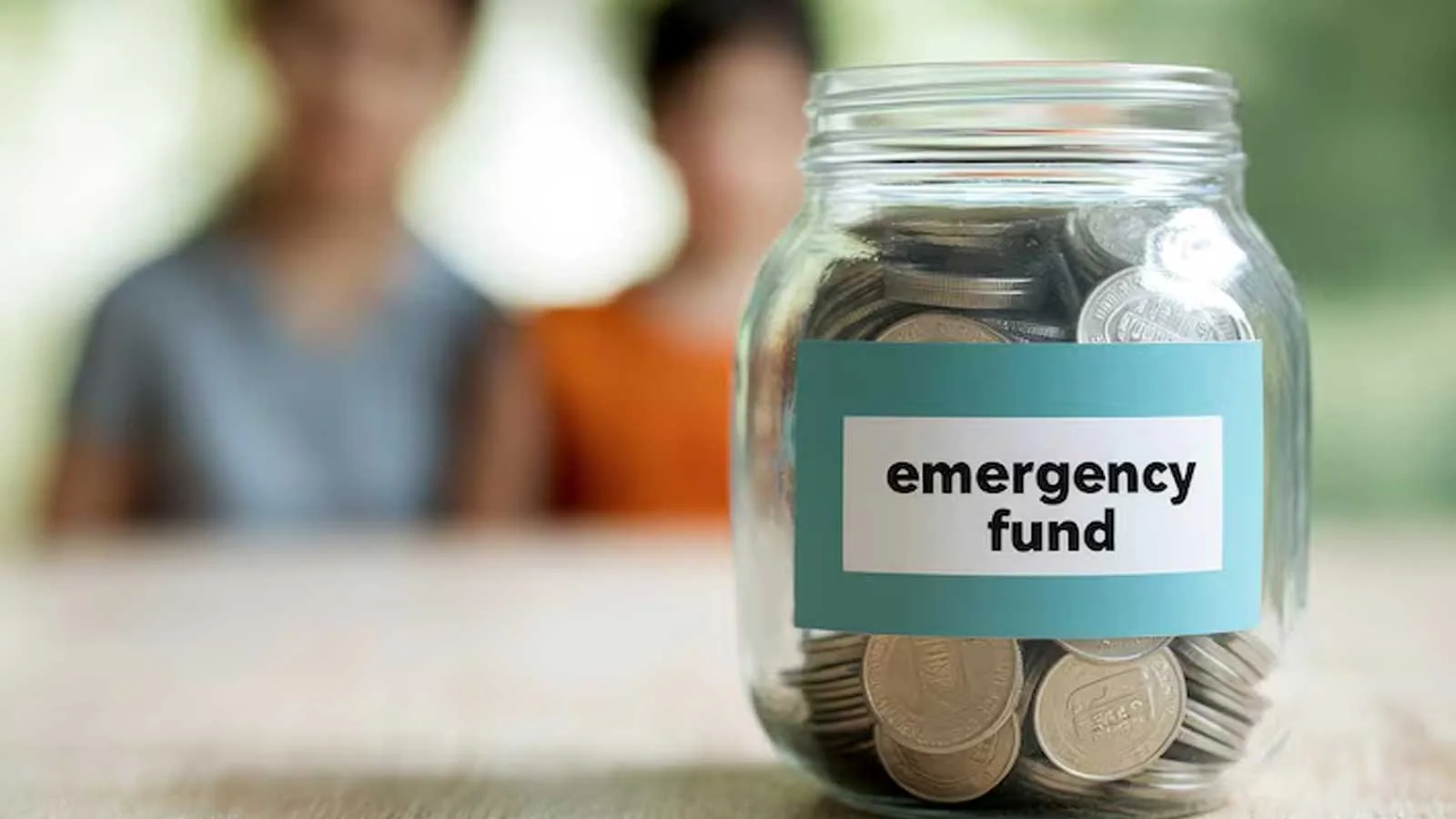
Emergency savings are money that can only be used in unexpected situations. The general rule is to have between 3-6 months of necessary expenses. This includes rent/EMI, food, utilities, insurance payments, school fees, and any loan payments you are currently making.
The main advantage of having emergency savings is that there are no conditions attached. No one will approve it, no one will check your score, and you won’t need to pay anything back. It also helps protect your investments, as you wouldn’t need to sell your mutual funds during a downturn.
A good emergency fund planning doesn’t need much to get started. You can start by putting 1000-2000 into your savings on the day you get paid and increase this each time you get a pay increase. Having at least one month’s worth of coverage will help make you feel more confident in a crisis. That habit is the base of real financial preparedness.
Access to Credit: When Borrowing Can Help
Sometimes your savings will run out. If you have a bill for 3 lakhs, you won’t care that you only have 1 lakh in your savings. You can use personal loans, credit cards, and overdrafts.
Thanks to digital lenders, this is fast and easy. Olyv links you to RBI-approved lenders, and you can view unsecured loans up to 500,000. Rates start from just 1.5% per month. The approval and final terms will be from your lending partner.
Although this is fast, it can be tempting to take out more than you need. Before taking out any loans, you should consider if you can afford to pay them back based on your income. Also consider the cost of the loan, including interest and fees. Good credit management starts before applying. Be honest with yourself and consider how much you are spending each month.
Emergency Savings vs Access to Credit: Which Option Works Better?
| Factor | Emergency Savings | Access to Credit |
|---|---|---|
| Repayment | No repayment required | Must be repaid |
| Cost | Usually no borrowing cost | May involve interest and fees |
| Availability | Depends on saved funds | Depends on credit eligibility and available limits |
| Financial impact | Reduces available savings | Creates a repayment obligation |
Savings are cheap and quick to access; however, they can be limited and leave you with less in your savings for the next situation. Borrowing can increase how much you can do; however, it will cost you, and lenders can be hesitant in tough times.
Both options can be used together. If you don’t have much in your savings, you may not have enough to cover a large situation. If you don’t have savings and only borrow, you will be in debt for every emergency. Using both will help overcome each other’s issues.
Building a Practical Financial Backup Plan
- Set a goal. Add up your essential monthly costs and multiply by 3. If you have irregular income or others rely on your income multiply by 6.
- Set up a standing order to pay into your salary on the day you earn it. This is an amount you will rarely touch.
- Have easy access to your money but keep it separate. A different savings account or liquid fund. If you do liquidity management well you can have it within a day and with no penalties.
- Know what credit you have available. Check your credit score and what you are eligible for.
- Have some cover. Health, term plan and vehicle insurance will help absorb large shocks so your fund doesn’t have to. This will act as a financial safety net.
How to Evaluate Borrowing During an Emergency
- Borrow exactly what you need. Take your final bill, minus your savings and add a little on top. Don’t worry about the maximum you can borrow.
- Think about how much it will cost you. Look at the interest rate, arrangement fee, term and prepayment. Convert monthly to yearly. 1.5% per month is around 18% per year. The card will be 3.5% per month which is around 42% per year.
- Check how much your EMI is. Many planners suggest that you should aim to have all your EMIs around 40% of your take home pay.
- Check the penalties. You don’t want to get hit with late fees and have a negative impact on your credit score.
- Don’t get into any new debt to pay off old debt. Unless you know you can get a much lower rate and have a plan in place to avoid falling into this cycle again.
Disciplined credit management also means setting repayment reminders, so no instalment slips by.
Balancing Savings and Borrowing
Savings should be your first option and borrowing your second.
Rohan is a 32-year-old software engineer from Pune. He has necessary expenses of 40,000 per month and has 1,20,000 in his savings. His father needs an operation, and his insurance does not cover the full cost, leaving him with a 1,50,000 shortfall.
He could use his full savings; however, this would leave him with nothing if his job was unstable. He could borrow the full amount; however, this would mean he would be paying unnecessary interest. Instead, he uses his savings to pay 90,000. He keeps 30,000 as a buffer and borrows 60,000 over 6 months. At 1.5% per month on a reducing balance, his monthly payment (EMI) would be approximately 10,500. He would pay around 3,200 in interest. There would also be fees to pay. The actual terms depend on the lender. The EMI fits nicely into his salary, and once the loan has finished, he can start building his savings again.
Rohan didn’t panic and didn’t empty his savings. He was prepared!
Conclusion: Be prepared for any financial uncertainty
Having emergency savings will give you freedom. Having borrowing options will give you flexibility. Using both options with careful consideration of borrowing will mean you can cover any unexpected situations without impacting your long-term plans.
Don’t wait until 11 pm for your phone to ring. Start building your savings this month. Find out your borrowing options while you are in a stable position and check your insurance. Being prepared isn’t about having borrowing options; it’s about being prepared.