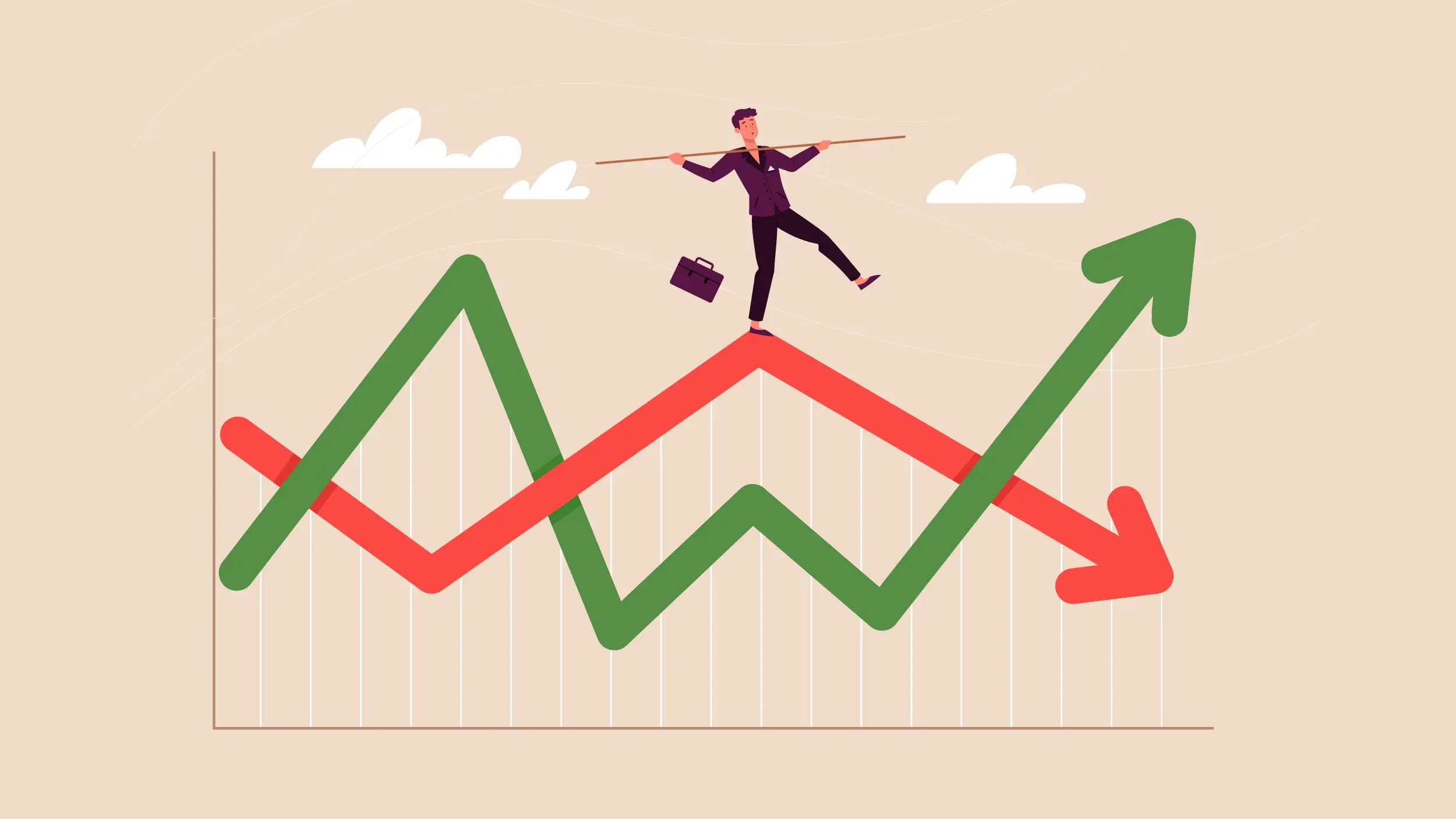
Investing can be one of the most effective ways to build long-term wealth, but it is rarely a smooth journey. Financial markets constantly experience periods of growth, decline, and uncertainty. These fluctuations, commonly known as market volatility, can create concern for investors and sometimes lead to emotional decisions that harm long-term financial goals.
Whether you are a beginner investor or someone with years of market experience, understanding how to navigate market volatility is essential. While sudden market swings may seem alarming, volatility is a normal part of investing. In fact, some of the most successful investors have built wealth by remaining disciplined during uncertain times.
The key is not to avoid volatility entirely but to develop strategies that help protect your portfolio, manage risk, and maintain confidence when markets become unpredictable. By understanding how volatility works and implementing proven financial strategies, investors can stay focused on their objectives and avoid making costly mistakes.
In this guide, we will explore the causes of market volatility, its impact on investments, and practical strategies for maintaining financial stability during uncertain market conditions.
What Is Market Volatility?
Market volatility refers to the rate and magnitude of price changes in financial markets.
When markets experience significant price increases or decreases within a short period, volatility is considered high. When prices move gradually and predictably, volatility is lower.
Volatility affects many types of investments, including:
- Stocks
- Bonds
- Mutual funds
- Exchange-traded funds (ETFs)
- Commodities
- Real estate investments
Although volatility often creates uncertainty, it is a natural feature of financial markets.
Why Market Volatility Occurs
Several factors can cause markets to become volatile.
Economic Changes
Economic conditions influence investor confidence.
Examples include:
- Inflation reports
- Interest rate decisions
- Employment data
- Economic growth forecasts
Unexpected economic developments often lead to market fluctuations.
Corporate Earnings
Company performance can significantly impact stock prices.
Strong earnings may push prices higher, while disappointing results can trigger declines.
Geopolitical Events
Political uncertainty, international conflicts, and trade disputes can increase market instability.
Investor Sentiment
Fear and optimism often drive short-term market movements.
When investors become fearful, selling pressure can increase rapidly.
Global Crises
Events such as pandemics, natural disasters, or financial crises can create widespread uncertainty and increased volatility.
Why Market Volatility Matters
Market volatility directly affects investment portfolios.
During volatile periods, investors may experience:
- Temporary losses
- Increased uncertainty
- Emotional stress
- Reduced confidence
However, volatility also creates opportunities for disciplined investors who maintain a long-term perspective.
Understanding how volatility impacts investments helps investors make informed decisions.
The Difference Between Risk and Volatility
Many people confuse volatility with risk.
While related, they are not the same.
Volatility
Refers to short-term price fluctuations.
Risk
Refers to the possibility of permanently losing capital.
A temporary decline in stock prices does not necessarily mean an investment has become permanently impaired.
Successful investors understand that volatility is often temporary, while true investment risk depends on the quality of the underlying asset.
The Importance of Staying Calm During Market Swings
One of the biggest challenges during volatile markets is controlling emotions.
Fear often causes investors to sell assets at the worst possible time.
Common Emotional Reactions
Investors may:
- Panic sell during declines
- Stop investing altogether
- Chase popular trends
- Attempt to time the market
These actions frequently lead to poor outcomes.
Maintaining discipline during market fluctuations is often more important than predicting market movements.
Focus on Your Long-Term Financial Goals
Long-term investors should avoid making decisions based solely on short-term market movements.
Questions to Consider
Ask yourself:
- Why am I investing?
- What are my financial goals?
- How long is my investment horizon?
Investors saving for retirement or other long-term objectives may have decades before they need their funds.
Short-term volatility often becomes less significant over extended periods.
Diversification: Your First Line of Defense
Diversification is one of the most effective ways to manage market volatility.
What Is Diversification?
Diversification involves spreading investments across multiple asset classes.
Examples include:
- Stocks
- Bonds
- Real estate
- Gold
- International investments
- Cash equivalents
Benefits of Diversification
Diversification helps:
- Reduce portfolio risk
- Improve stability
- Limit losses in specific sectors
- Enhance long-term performance
Different assets often respond differently to market conditions.
Maintain an Appropriate Asset Allocation
Asset allocation refers to how investments are distributed among different asset classes.
Your allocation should reflect:
- Financial goals
- Risk tolerance
- Time horizon
Example of Balanced Allocation
A moderate investor may hold:
- 60% equities
- 30% bonds
- 10% cash or alternative assets
The right allocation can help reduce portfolio volatility while supporting growth objectives.
Keep an Emergency Fund
An emergency fund provides financial security during uncertain periods.
Without emergency savings, investors may be forced to sell investments during market downturns.
Recommended Emergency Savings
Financial experts often suggest maintaining:
- Three to six months of living expenses
Individuals with variable income may benefit from larger reserves.
Emergency funds provide flexibility and reduce financial stress.
Continue Investing Consistently
Many investors stop investing when markets become volatile.
However, consistent investing can be beneficial.
The Power of Dollar-Cost Averaging
Dollar-cost averaging involves investing a fixed amount at regular intervals.
Benefits include:
- Reducing timing risk
- Encouraging discipline
- Purchasing more shares when prices decline
Regular investing helps smooth the impact of market fluctuations over time.
Avoid Trying to Time the Market
Predicting short-term market movements is extremely difficult.
Even professional investors struggle to consistently forecast market direction.
Problems with Market Timing
Investors who attempt to time the market often:
- Miss strong recovery periods
- Sell too early
- Buy too late
Remaining invested and following a disciplined strategy generally produces better long-term results.
Rebalance Your Portfolio Regularly
Market movements can alter your original asset allocation.
Why Rebalancing Matters
For example:
If stocks perform exceptionally well, they may represent a larger percentage of your portfolio than intended.
Rebalancing helps:
- Maintain risk levels
- Preserve diversification
- Align investments with objectives
Many investors review portfolios annually or semi-annually.
Focus on Quality Investments
High-quality investments often perform better during periods of uncertainty.
Characteristics of Quality Investments
Look for companies with:
- Strong balance sheets
- Consistent earnings
- Competitive advantages
- Experienced management
Quality assets may be better positioned to withstand economic challenges.
Understand Market Cycles
Markets move through cycles over time.
Typical Market Phases
Expansion
Economic growth and rising asset prices.
Peak
Growth slows as valuations become elevated.
Contraction
Economic weakness and declining asset prices.
Recovery
Conditions improve and markets begin to rebound.
Recognizing market cycles helps investors maintain realistic expectations.
Manage Risk Through Defensive Investments
Some investments may provide greater stability during volatile periods.
Examples of Defensive Assets
Include:
- High-quality bonds
- Dividend-paying stocks
- Gold
- Cash reserves
Defensive investments can help reduce overall portfolio fluctuations.
Limit Exposure to Speculative Investments
Highly speculative assets often experience larger price swings.
Examples may include:
- Highly leveraged investments
- Unprofitable growth companies
- Certain cryptocurrencies
- Trend-driven assets
While these investments may offer high return potential, they can also increase portfolio volatility significantly.
Stay Informed but Avoid Information Overload
Financial news is available 24 hours a day.
While staying informed is important, excessive news consumption can increase anxiety.
Focus on Reliable Information
Prioritize:
- Economic fundamentals
- Company performance
- Long-term trends
Avoid making investment decisions based solely on sensational headlines.
Use Volatility as an Opportunity
Volatility can create opportunities for disciplined investors.
Buying Opportunities
Market declines may allow investors to purchase quality assets at lower prices.
Portfolio Improvements
Periods of uncertainty provide opportunities to:
- Reassess goals
- Rebalance portfolios
- Improve diversification
Investors who remain patient often benefit when markets recover.
Review Your Risk Tolerance
Market volatility often reveals how comfortable investors truly are with risk.
Questions to Ask
- Can I tolerate temporary losses?
- Am I losing sleep over market movements?
- Is my portfolio aligned with my comfort level?
If volatility feels overwhelming, adjustments to asset allocation may be appropriate.
The Role of Professional Financial Advice
Complex market conditions can make investment decisions more challenging.
A qualified financial advisor can help:
- Develop investment strategies
- Manage risk
- Maintain discipline
- Create long-term plans
Professional guidance may improve confidence during uncertain periods.
Common Mistakes Investors Should Avoid
Many investors make avoidable mistakes during volatile markets.
Panic Selling
Selling during downturns can lock in losses.
Chasing Performance
Buying investments after large gains increases risk.
Ignoring Diversification
Concentrated portfolios are often more volatile.
Making Emotional Decisions
Fear and greed frequently lead to poor investment outcomes.
Neglecting Long-Term Goals
Short-term market movements should not derail long-term financial plans.
Avoiding these mistakes can significantly improve investment success.
Building Financial Resilience Beyond Investing
Financial stability involves more than managing investments.
Additional Areas to Strengthen
Include:
- Emergency savings
- Insurance coverage
- Debt management
- Income diversification
A comprehensive financial plan improves resilience during uncertain periods.
Lessons from Historical Market Volatility
History shows that market volatility is normal.
Markets have experienced:
- Recessions
- Financial crises
- Geopolitical conflicts
- Global pandemics
Despite these challenges, markets have historically recovered and continued to grow over the long term.
While past performance does not guarantee future results, history demonstrates the importance of patience and discipline.
The Future of Investing in Volatile Markets
Technology, globalization, and economic changes will continue to influence market behavior.
Future investors should focus on:
- Financial education
- Risk management
- Diversification
- Long-term planning
Those who remain adaptable and disciplined are often better positioned for success.
Conclusion
Market volatility is an unavoidable part of investing, but it does not have to threaten your financial future. By understanding the causes of volatility, maintaining a diversified portfolio, focusing on long-term goals, and avoiding emotional decisions, investors can navigate uncertain markets with greater confidence.
Successful investing is not about eliminating volatility. Instead, it is about developing strategies that provide stability, manage risk, and support consistent progress toward financial goals. Investors who remain disciplined, continue learning, and stay committed to their plans are often rewarded over time.
While market fluctuations may create temporary uncertainty, a thoughtful and well-structured investment strategy can help transform volatility from a source of fear into an opportunity for long-term growth and financial success.